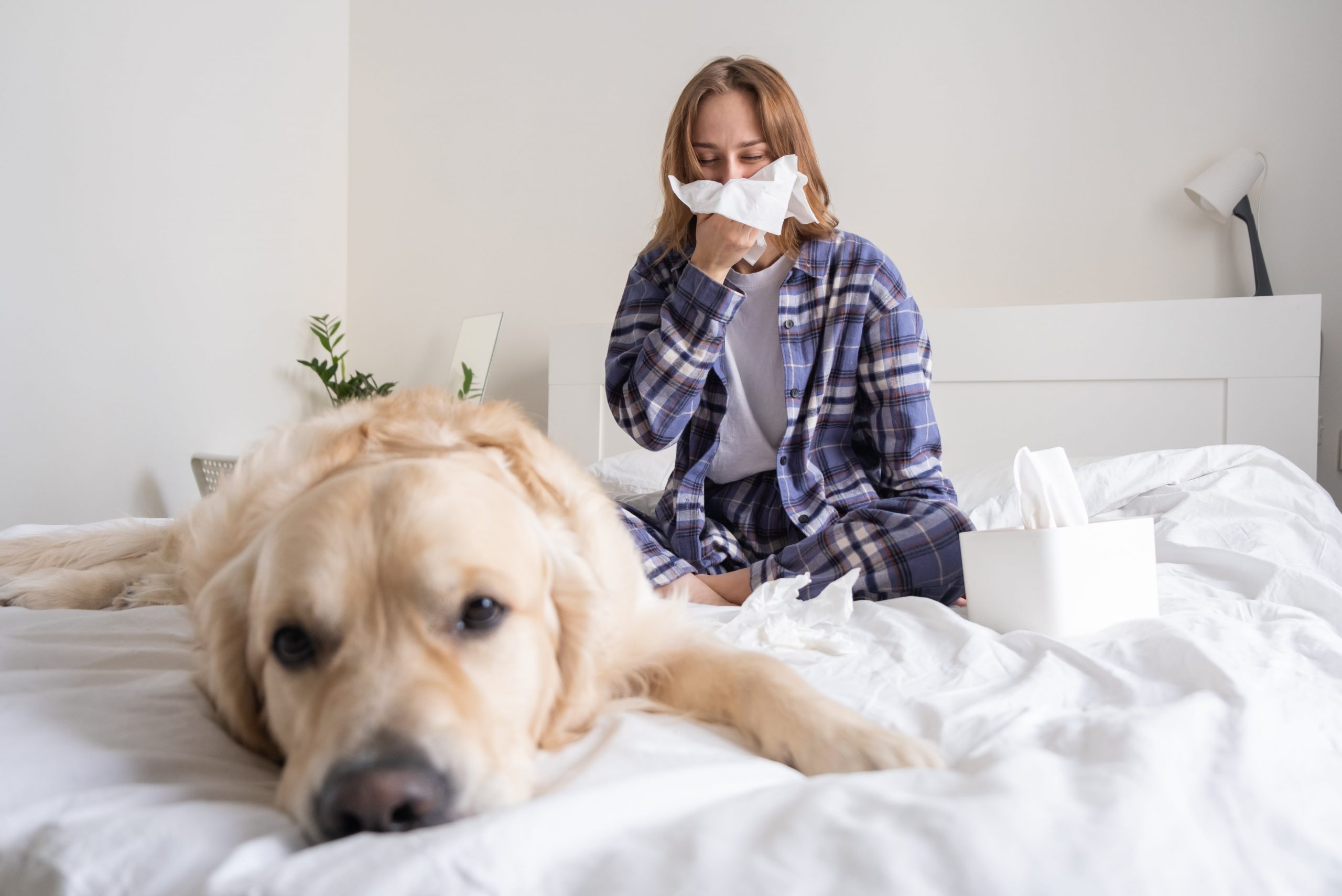
Pet allergies are a common issue that can affect both pet owners and the animals themselves. These allergies can cause discomfort, irritation, and other symptoms that interfere with daily life. Whether triggered by pet hair, skin particles, or environmental factors, managing allergies properly is important for maintaining comfort and health.
Understanding how to treat pet allergies involves identifying the cause and applying the right care methods. While allergies may not always be completely eliminated, they can be controlled with proper habits and consistent attention. Early action helps reduce symptoms and prevent complications.
This guide explains how to treat pet allergies effectively and provides practical tips to improve comfort for both pets and their owners.
Understanding Pet Allergies
Pet allergies occur when the body reacts to certain substances associated with animals. These substances may include hair, skin particles, or other natural elements. The reaction can vary depending on the individual and the level of exposure.
Symptoms may include irritation, discomfort, or changes in daily comfort. Recognizing these signs early allows for better management.
In Health and Beauty, understanding the source of allergies is important for finding the right solution. Awareness helps guide proper treatment and care.
Identifying the Cause
The first step in treating pet allergies is identifying what triggers the reaction. This may involve observing when symptoms occur and what conditions may be contributing to them.
Common triggers include close contact with pets, exposure to certain environments, or lack of proper cleaning. Understanding these factors helps in creating a plan for management.
Accurate identification of the cause ensures that the treatment approach is effective and targeted.
Maintaining a Clean Environment
Keeping your living space clean is one of the most effective ways to manage pet allergies. Regular cleaning reduces the presence of allergens and improves air quality.
Vacuuming, dusting, and washing fabrics help remove particles that may cause reactions. Keeping pet areas clean also reduces exposure.
A clean environment supports overall health and makes it easier to control allergy symptoms.
Grooming and Caring for Pets
Proper grooming is important in reducing allergens. Regular cleaning of your pet helps remove loose hair and particles that may trigger reactions.
Using appropriate grooming methods ensures that the process is safe and comfortable for your pet. Consistent care helps maintain cleanliness.
Well-maintained pets contribute to a healthier environment and reduce the risk of allergies.
Managing Contact and Exposure
Limiting direct contact can help reduce symptoms, especially for individuals who are sensitive. Creating designated areas for pets can help control exposure.
Avoiding certain habits, such as allowing pets in sleeping areas, can also make a difference. These small changes help minimize contact with allergens.
Managing exposure is a practical way to control symptoms without affecting the relationship with your pet.
Improving Air Quality
Good air quality plays a key role in managing allergies. Proper ventilation helps reduce the concentration of allergens in the air.
Using simple methods to improve airflow can make the environment more comfortable. Keeping windows open when possible allows fresh air to circulate.
Better air quality supports easier breathing and reduces irritation.
Using Protective Measures
Taking protective steps can help reduce the impact of allergens. This may include using barriers or protective items when interacting with pets.
Washing hands and maintaining personal hygiene after contact also helps reduce reactions.
These measures provide an additional layer of protection and support overall management.
Seeking Professional Advice
If symptoms persist or become severe, it is important to seek professional guidance. A specialist can provide proper evaluation and recommend suitable treatment options.
Professional advice ensures that the condition is managed safely and effectively. It also helps prevent complications.
Consulting a professional provides reassurance and improves long-term outcomes.
Building Consistent Habits
Consistency is key in managing pet allergies. Regular cleaning, grooming, and monitoring help maintain control over symptoms.
Developing daily routines ensures that allergens are kept at a manageable level. Small efforts over time can lead to significant improvements.
Strong habits support long-term comfort and health.
Conclusion
Treating pet allergies involves understanding the cause, maintaining a clean environment, managing exposure, and practicing consistent care. While allergies may not always be completely eliminated, they can be effectively controlled with the right approach. By following simple and practical steps, individuals can reduce symptoms and create a more comfortable living environment while continuing to enjoy the companionship of their pets.