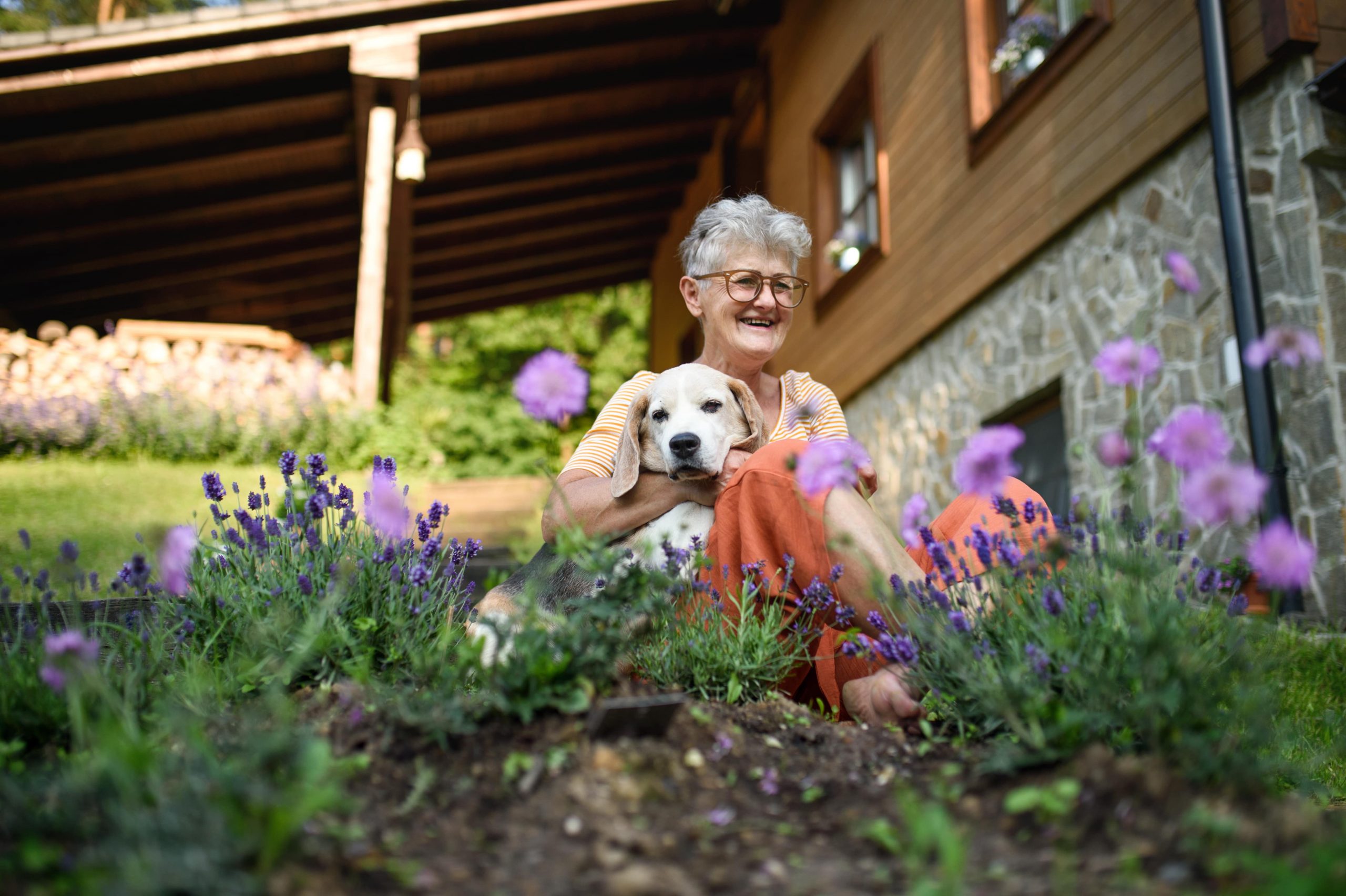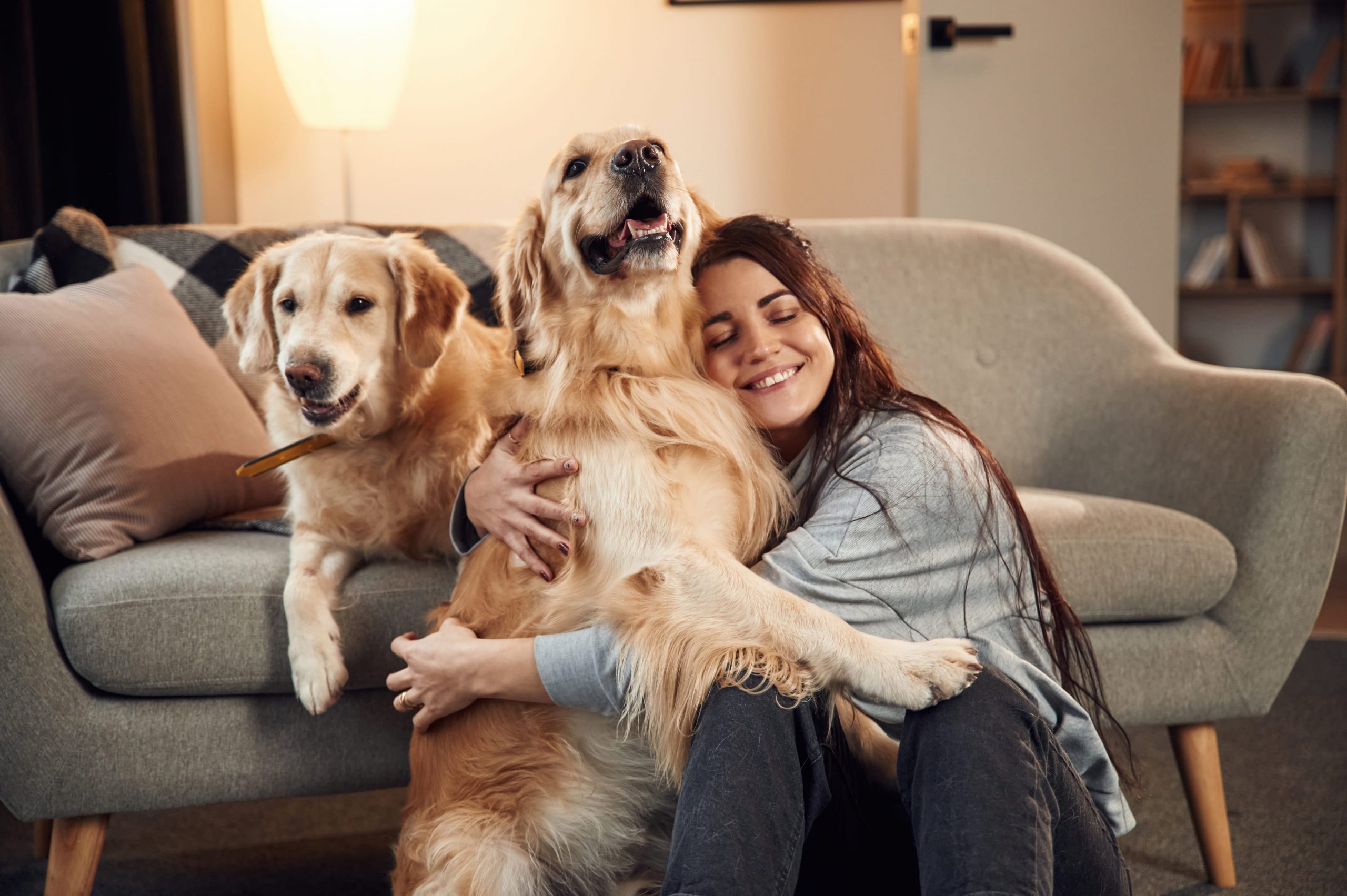
Creating a pet friendly home is essential for ensuring the safety, comfort, and happiness of your animals. Pets are part of the family, and their environment should support their needs while also maintaining a clean and organized living space. A well-designed home allows pets to move freely, play safely, and rest comfortably.
Making your home suitable for pets does not require major changes. Small adjustments in layout, furniture, and daily habits can make a big difference. By understanding your pet’s behavior and needs, you can create a space that works for both you and your animals.
This guide provides practical tips on how to make your home a pet friendly place that promotes safety, comfort, and harmony.
Understanding Your Pet’s Needs
The first step in creating a pet friendly home is understanding your pet’s specific needs. Different animals have different habits, energy levels, and preferences.
Observing your pet’s behavior helps you identify what they require for comfort and safety. Some pets need more space to move, while others prefer quiet areas for rest.
In Home and Garden, designing a space based on function and lifestyle is important. This approach ensures that your home meets both human and pet needs.
Creating Safe Living Areas
Safety is a top priority when designing a pet friendly home. Removing hazards and securing dangerous items helps prevent accidents.
Items such as small objects, harmful materials, and unstable furniture should be kept out of reach. This reduces the risk of injury.
Creating safe zones allows your pet to explore freely without constant supervision.
Choosing Pet Friendly Furniture
Furniture plays an important role in maintaining a comfortable home. Selecting durable and easy-to-clean materials helps manage wear and tear caused by pets.
Pet friendly furniture is designed to handle scratching, shedding, and regular use. This keeps your home looking neat and well-maintained.
Choosing the right furniture balances style with practicality.
Setting Up Comfortable Resting Spaces
Pets need a comfortable place to rest and relax. Providing a dedicated sleeping area helps them feel secure and settled.
The resting space should be clean, quiet, and suitable for your pet’s size. Soft and supportive materials improve comfort.
A designated area also helps keep your home organized.
Keeping the Home Clean and Organized
Maintaining cleanliness is important in a pet friendly home. Regular cleaning helps manage hair, odors, and general mess.
Simple routines such as cleaning floors and washing pet items keep the environment fresh. Organized spaces also make daily care easier.
A clean home supports both health and comfort for everyone.
Managing Pet Food and Water Areas
Designating specific areas for food and water helps maintain order. Keeping these areas clean prevents spills and contamination.
Using stable containers reduces the risk of accidents. Regular maintenance ensures that your pet always has access to fresh food and water.
Organized feeding areas contribute to a well-managed home environment.
Providing Space for Play and Activity
Pets need space to move and play. Creating an area for activity helps keep them engaged and healthy.
Providing toys and interactive items supports both physical and mental stimulation. This reduces boredom and promotes positive behavior.
A dedicated play area enhances your pet’s quality of life.
Protecting Floors and Surfaces
Pets can cause wear on floors and surfaces over time. Using protective materials can help maintain the condition of your home.
Simple solutions such as coverings or designated zones reduce damage. This keeps your living space in good condition.
Protecting surfaces ensures long-term durability and cleanliness.
Establishing Boundaries and Training
Setting clear boundaries helps maintain order in a pet friendly home. Training your pet to understand these limits improves behavior.
Consistent guidance helps pets adapt to their environment. This creates a balanced and peaceful living space.
Proper training supports both safety and comfort.
Maintaining Regular Care and Attention
Regular care is essential for keeping your home pet friendly. This includes grooming, cleaning, and monitoring your pet’s behavior.
Staying attentive to your pet’s needs ensures that they remain healthy and comfortable. It also helps identify any issues early.
Consistent care strengthens the bond between you and your pet.
Conclusion
Creating a pet friendly home involves understanding your pet’s needs, ensuring safety, and maintaining a clean and organized environment. By choosing suitable furniture, providing comfortable spaces, and establishing clear boundaries, you can create a home that supports both your lifestyle and your pet’s well-being. With thoughtful planning and consistent care, your home can become a safe, comfortable, and enjoyable space for everyone.